
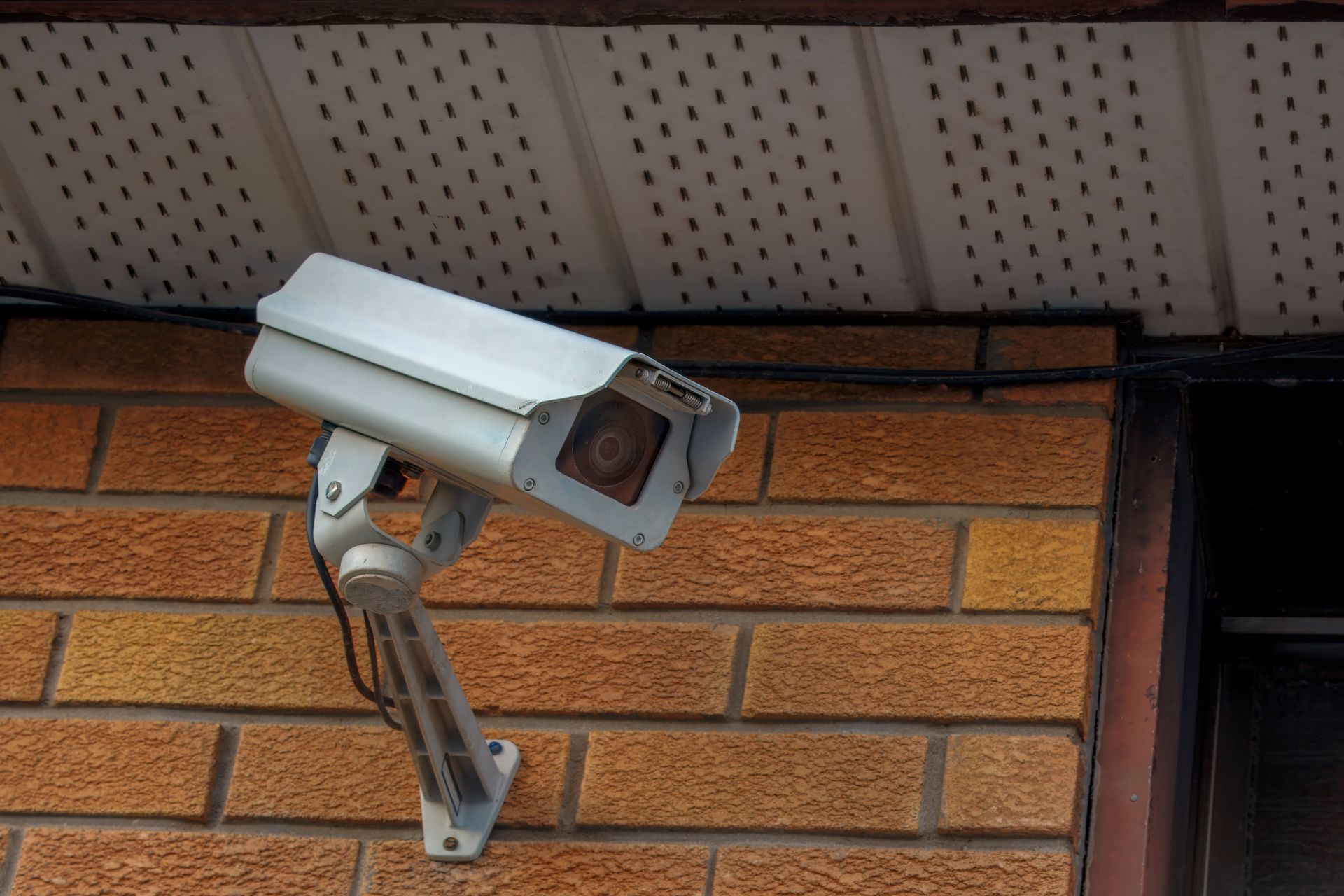
Security Camera Installation in South Texas for properties requiring visual documentation of access points and perimeter activity
Monitor Property Activity From Any Location
You need visibility into who approaches your buildings, enters gated areas, or moves through storage yards when you're not physically present. JH Landworks positions cameras to capture license plates at entry drives, facial details at doorways, and movement across wide outdoor spaces where lighting varies throughout the day. South Texas heat and intense UV exposure degrade lower-grade camera housings within months, so installations use weather-rated enclosures and mounting hardware designed for sustained sun exposure and temperature swings above 100 degrees.
Camera placement accounts for the sun's path to avoid lens glare that washes out footage during peak hours, and installers angle lenses to minimize backlighting from western exposures in late afternoon. Wiring runs through conduit to prevent wildlife damage and UV breakdown, connecting cameras to network video recorders that store footage locally or push streams to cloud servers you access through mobile devices. Power-over-Ethernet cables simplify installation by delivering both data and electricity through a single line.
Arrange an on-site evaluation to identify coverage gaps and determine camera angles that document critical areas.
How Camera Systems Capture Usable Evidence
Resolution and frame rate determine whether recorded footage reveals identifiable details or merely shows blurred movement, so camera selection balances image quality against storage capacity and network bandwidth. Higher megapixel sensors capture finer detail at greater distances, which matters when cameras monitor large yards or long driveways where subjects appear far from the lens. Infrared illuminators activate after dark to record in complete darkness without visible light that alerts intruders to camera locations.
After installation, you view live feeds and recorded footage through a dedicated app that organizes clips by camera, time, and motion-triggered events. Alerts notify you when motion occurs in designated zones, so you receive warnings about driveway activity but not about tree branches moving in wind. Footage remains accessible for review periods determined by storage capacity, with options to archive specific clips before automatic deletion.
Some systems integrate with automatic gates or alarm panels to create coordinated responses, such as recording entry events whenever the gate opens or activating lights when cameras detect perimeter movement. Network configuration allows remote access while maintaining security protocols that prevent unauthorized stream viewing.
Answers Clients Ask About Surveillance Setup
Questions about camera coverage and system capabilities help property owners understand what surveillance installations actually deliver.
What distance can cameras effectively cover?
Standard cameras capture identifiable facial features within 20 to 30 feet, while license plate recognition requires cameras positioned no more than 40 feet from vehicle paths. JH Landworks matches lens focal length to the distance between mounting points and the areas you need documented.
How does South Texas heat affect camera lifespan?
Ambient temperatures above 110 degrees degrade internal components in cameras not rated for extreme heat, causing failures within two years. Professional installations use industrial-rated cameras with ventilated housings and components tested to withstand prolonged high temperatures common in South Texas summers.
What happens to footage during internet outages?
Local network video recorders continue capturing and storing footage even when internet connectivity drops, uploading recorded clips to cloud servers once the connection restores. You lose live remote viewing during outages but retain all recorded activity.
How much storage does continuous recording require?
A single camera recording at 1080p resolution consumes approximately 60 gigabytes per day with continuous capture, while motion-activated recording reduces storage needs by 70 to 90 percent depending on activity levels. Storage capacity determines how many days of footage remain accessible before older files overwrite.
Why do some cameras show clear images at night while others don't?
Infrared LED arrays built into camera housings illuminate scenes with light invisible to human eyes but visible to camera sensors, producing black-and-white nighttime footage. The number and strength of infrared LEDs determine effective night vision range, typically 30 to 100 feet depending on camera model.
JH Landworks designs camera layouts that eliminate blind spots and position devices where mounting structures provide stable support and clean power routing. Contact our team to map camera positions and review system options that fit your monitoring priorities.