
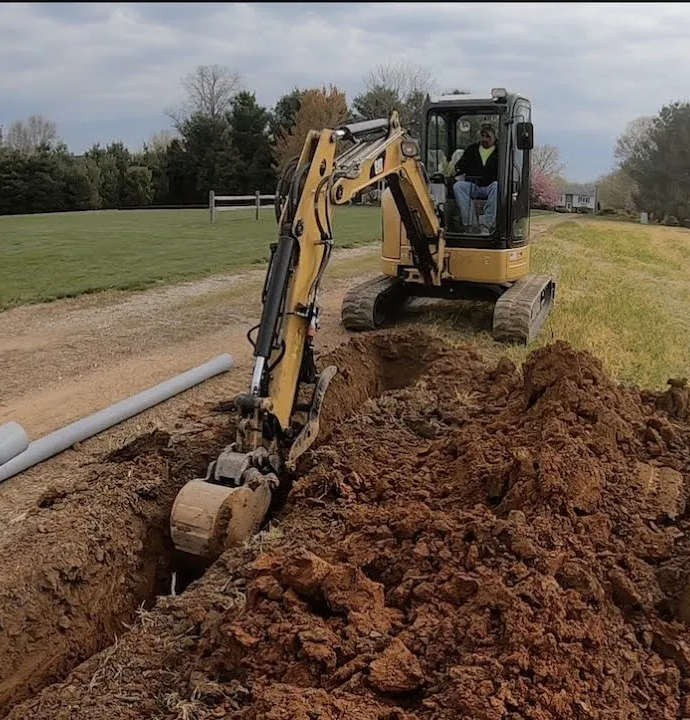
Pipeline Installation That Protects Long-Term Infrastructure Performance
Pipeline Trenching in Texas for water lines, drainage systems, and utility installations on rural properties and new construction sites
JH Landworks provides pipeline trenching for properties in your area where you need underground infrastructure installed with the right depth control and backfill methods to protect the system over time. You rely on this service when adding water lines to ranch buildings, routing drainage away from structures, or preparing utility corridors for new construction developments. The trench depth, sidewall stability, and soil compaction after backfill directly affect whether your pipeline performs as intended five years from installation.
The work involves excavating a clean trench to the specified depth, placing the pipeline with the correct slope and bedding material, then backfilling in lifts to avoid voids that lead to settling or line stress. Proper depth control prevents frost heave in cooler months and protects lines from surface loads when equipment crosses above. Clean excavation reduces the chance of soil contamination in water lines and keeps drainage systems free of debris that causes early blockages.
If you are planning a water line extension or need drainage routed across your property, contact JH Landworks to discuss your project timeline and site conditions.
How Depth Control and Backfill Method Affect Pipeline Longevity
Your trench must reach the depth your engineer or code requires without overdigging, which wastes time and creates unstable sidewalls. JH Landworks uses excavators with depth references and checks grade with a laser level or grade stakes to maintain consistent slope for gravity-fed drainage. Trench width stays narrow enough to save excavation time but wide enough to allow proper compaction around the pipe once it is set.
After the pipeline is placed and inspected, you will notice the backfill goes in gradually, not dumped all at once. Compacting soil in six-inch lifts prevents voids that cause the ground to sink months later or put uneven pressure on the pipe. The surface is graded level with surrounding terrain so water does not pool over the trench line, and you can drive equipment across without feeling a dip or soft spot.
The backfill material matches what was removed unless your project specifies sand bedding or select fill around the pipe for drainage or cushioning. If rock or caliche appears during excavation, it is separated and not placed directly against the pipe. The trench is left clean, and any excess spoil is spread evenly or hauled off based on your preference and site layout.
What to Know Before Scheduling Pipeline Trenching
Pipeline projects in Texas often involve coordinating with utility locates, material delivery, and inspection schedules, so understanding the process helps you plan around weather and other site work.
What depth is required for a rural water line in this area?
Most water lines are placed at least three feet deep to avoid freeze risk and surface damage, but your engineer or local code may specify more depending on soil type and load exposure.
How is slope maintained in a drainage trench?
A laser level or string line is set to the design grade, and the excavator operator checks depth at intervals to keep the trench floor consistent so water flows without pooling or reversing direction.
When should the trench be backfilled after the pipe is placed?
Backfill begins as soon as the pipe passes inspection and any required bedding material is placed, usually the same day or within 24 hours to prevent sidewall collapse or water accumulation in the trench.
Why does compaction matter if the soil was already solid before digging?
Excavated soil loses its natural density, and without compaction in layers, it will settle over time and create low spots, stress the pipeline, or allow surface water to infiltrate along the trench line.
What happens if rock is encountered during excavation?
Rock is removed from the trench and replaced with softer backfill around the pipe to prevent puncture or cracking, especially with PVC or polyethylene materials that need even support.
JH Landworks schedules trenching work based on site access, material readiness, and weather conditions that affect soil workability. Reach out with your project details and timeline so the crew can coordinate equipment and any required inspections before mobilization.